
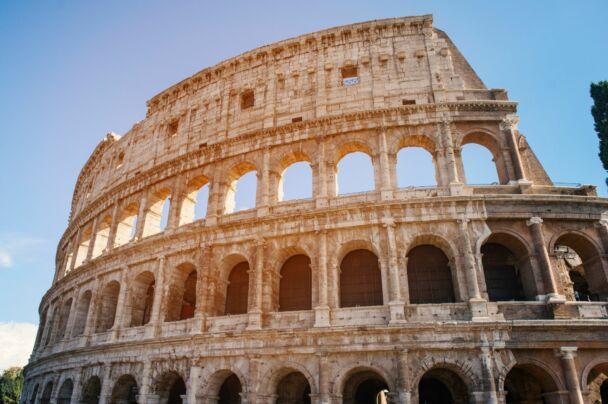


Heritage is often associated with monuments, museums, and traditions frozen in time. In reality, heritage is a living force that continues to shape how societies think, organize, and interact. Long after empires fall and borders shift, their ideas, values, and systems remain embedded in the modern world.
Many aspects of daily life trace back to ancient practices. Legal systems, urban planning, trade routes, and educational models were developed by early civilizations and adapted over centuries. Even modern governance reflects inherited concepts of authority, justice, and collective responsibility. What appears contemporary is often a refined version of something much older.
Cultural heritage also shapes identity. Language, customs, food, architecture, and social norms connect individuals to a shared past, offering continuity in a rapidly changing world. These inherited elements influence how communities define belonging, honor, and tradition, even when people are unaware of their origins.
Religious and philosophical heritage continues to guide moral frameworks and ethical debates. Concepts of duty, compassion, accountability, and purpose are deeply rooted in historical belief systems. While interpretations evolve, the foundational ideas remain powerful references for modern decision-making.
Heritage also influences innovation. Many scientific and technological breakthroughs build upon knowledge preserved and transmitted across generations. Mathematics, medicine, astronomy, and engineering owe much to scholars whose work crossed civilizations through translation and exchange rather than conquest alone.
In a globalized world, heritage does not disappear—it interacts. Cultures blend, reinterpret, and sometimes clash, but the past is always present in these encounters. Understanding heritage helps societies navigate modern challenges with depth rather than reaction.
What shapes the modern world is not only new technology or policy, but inherited wisdom. Heritage lives in systems, habits, and ideas that continue to guide human behavior. Recognizing its influence allows us to engage with the present more consciously and shape the future with greater awareness.